AI Video for Creators: Ultimate Guide to Boost Content
June 18, 2026 by Manny, Founder of ViralLens
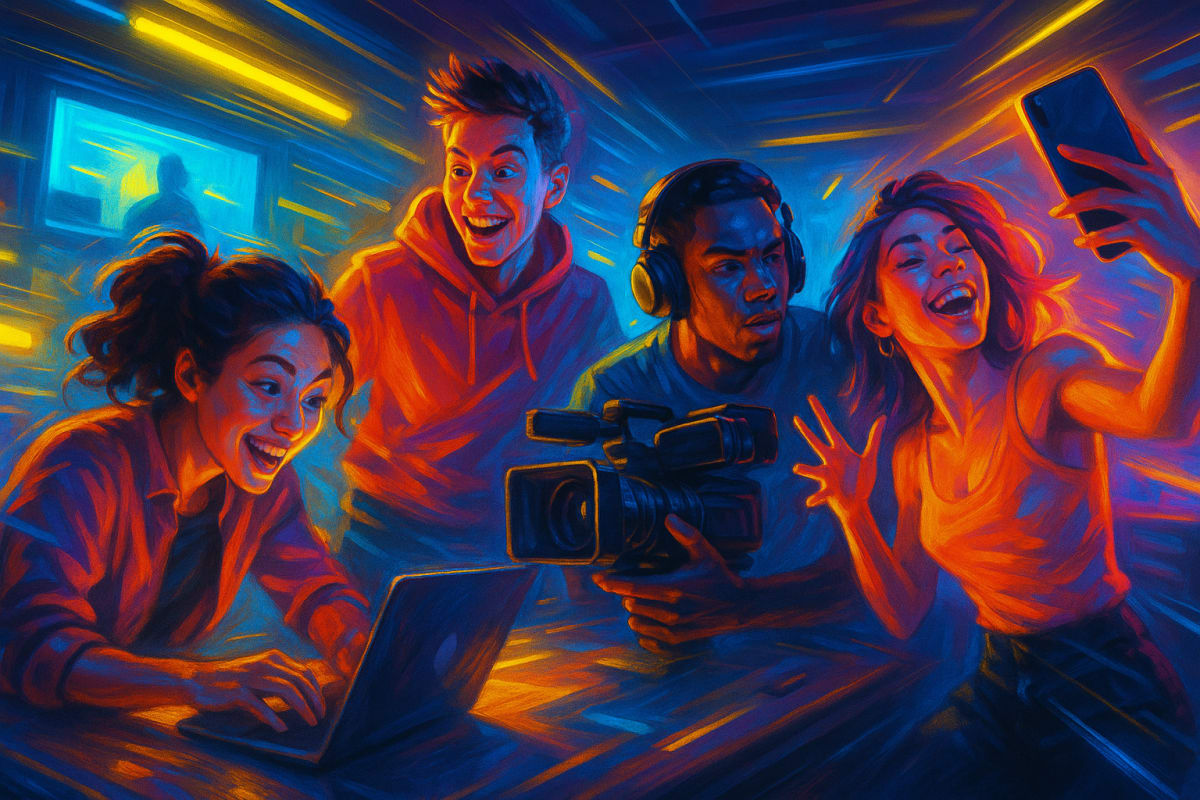
Creating captivating video content is more important than ever in 2026. With the rise of AI video for creators, it's easier to craft cinematic, engaging videos without a professional film crew. But how exactly does this technology help creators reach their audience? Let's dive into the world of AI video creation and see its potential.
🎥 How AI Video for Creators Transforms Content
The core of AI video technology lies in its ability to automate the video production process. Tools like Seedance 1.0 and Kling V3 Pro make it possible to create high-quality, 1080p videos from a simple text prompt or image upload. This allows creators from every niche, whether you're a fashion TikTok star or an indie musician, to focus more on creativity and less on technical hurdles.
A practical example: A real estate agent can use AI to generate cinematic property walkthroughs in seconds. Instead of hiring a videographer, they can produce high-quality tours and easily share them on platforms like YouTube or Instagram.
For more on the process, see our full process behind it.
⚡ 5 Reasons Creators Switch to AI Videos
- Cost-Effective: With pricing starting at just $4, AI video generation breaks down traditional financial barriers.
- Time-Saving: What would take hours or days with traditional video editing can now be achieved in minutes.
- Quality Output: Produce cinematic content in 1080p that matches professional standards.
- Accessibility: No need for specialized skill sets—anyone can create stunning visuals.
- Versatility: Whether it’s a product demo, an engaging dance video, or a promotional reel, AI caters to diverse content needs.
🚀 Boosting Creativity with AI Video Tools
AI video tools empower creators by handling the mundane, technical aspects of video production. This leaves room for innovation and creativity. For a musician looking to produce a budget-friendly music video, AI tools can provide stylistic control and creative freedom without breaking the bank.
❓ Frequently Asked Questions
How long does it take to generate an AI video?
Most AI tools can produce a video in minutes. Typically, this process takes less than 60 seconds depending on the complexity of your request.
Is AI video as good as professionally shot video?
While AI-generated videos can achieve near-professional quality, they may lack the nuanced touch of a seasoned videographer. However, for many uses, the quality is more than sufficient.
How much does AI video generation cost?
Costs can start as low as $4 for basic features, and pricing scales based on additional functionalities like motion transfer.
AI video for creators is transforming content production with intuitive tools and a commitment to quality. Whether you’re a seasoned creator or just starting, this technology provides opportunities to expand your reach without traditional constraints.